
Greene County Arrest Reports
Greene County publishes no verified 72-hour, seven-day, or weekly booking table on an official site. The closest starting point is the GCSO Alerts and News page. Alerts stay short and time-sensitive. News entries may cover recent arrests, crime reports, drug seizures, or recovered property. Coverage is selective, and the office makes no claim of completeness. The strongest recurring multi-day source is the Herald-Journal's “Greene County Sheriff's Office Deputy's Blotter.” Sample issues cover week-long date ranges. Lake Oconee News runs issue-based crime reports too. Both are newspaper archives rather than live custody tools, and their issue dates can trail the events they describe. Each channel answers a different question. Sheriff news adds an official account of a chosen incident. A weekly blotter helps place an event inside a date range. The booking file shows the jail intake. The court docket carries the case forward. Treat them as complements, not substitutes, since charge wording and custody status can shift between them.
Read the Greene County Blotter
Search backward by event date, not issue date alone. A weekly range narrows things down, but it never promises every arrest from that week appears. Pair each name with the date, place, charge wording, and agency. A common name by itself proves little.
- Check GCSO Alerts and News first for an official account or safety notice.
- Search the Herald-Journal archive by issue and inspect the Deputy's Blotter date range.
- Check the Lake Oconee News archive for an issue-based Crime Reports page.
- Record the name, event date, listed agency, charge wording, and source issue.
- Verify the booking with GCSO and the outcome with the proper Greene County court.
For same-day questions, the Arrested Today route explains why. A direct call to the jail beats waiting on a weekly issue. This page works differently. It traces several days of published reports and pushes older events toward the archives. When an issue is hard to find, search by the newspaper title and the rough publication week. Then examine the page image or the OCR text. OCR is machine-read text lifted from a scan, so names can come out garbled. Check the image when you can. Save the issue URL and page number so the source is easy to revisit. Skip copying private details you don't need.
Greene Arrest Report Fields
Newspaper fields shift from issue to issue. Sampled Deputy's Blotter pages carried a date range plus entries with names, charges, and place or home-city details. No official booking-photo gallery appeared in the OCR samples. Tight space and editing can trim entries further.
| Published field | How to interpret it |
|---|---|
| Name | Use with a date and agency to avoid a mistaken identity match. |
| Event date | May differ from the newspaper's issue or web-post date. |
| Charge text | Describes an charge as reported, not a conviction. |
| Location or home city | Provides context but should not be treated as current residence proof. |
| Agency | Points to the office that can confirm or supply the arrest-side record. |
| Photograph | Was not part of the sampled newspaper OCR blotter format. |
The county booking record behind an entry can run broader. Georgia guidance lists many fields. They include age, sex, race, process or court, commitment date, discharge date, and discharge order. Some details get redacted. A newspaper may print a shorter account without breaking any rule.
Weekly Greene Arrest Blotters
Sample Herald-Journal issues preserved weekly ranges in the archive. Examples include June 3 through June 9, 2024, May 19 through May 25, 2025, and February 24 through March 2, 2025. Those examples show a recurring weekly format in the archive. They don't prove a live seven-day sheriff feed or any fixed update time. The Georgia Press Association newspaper directory names the local outlets behind these sources.
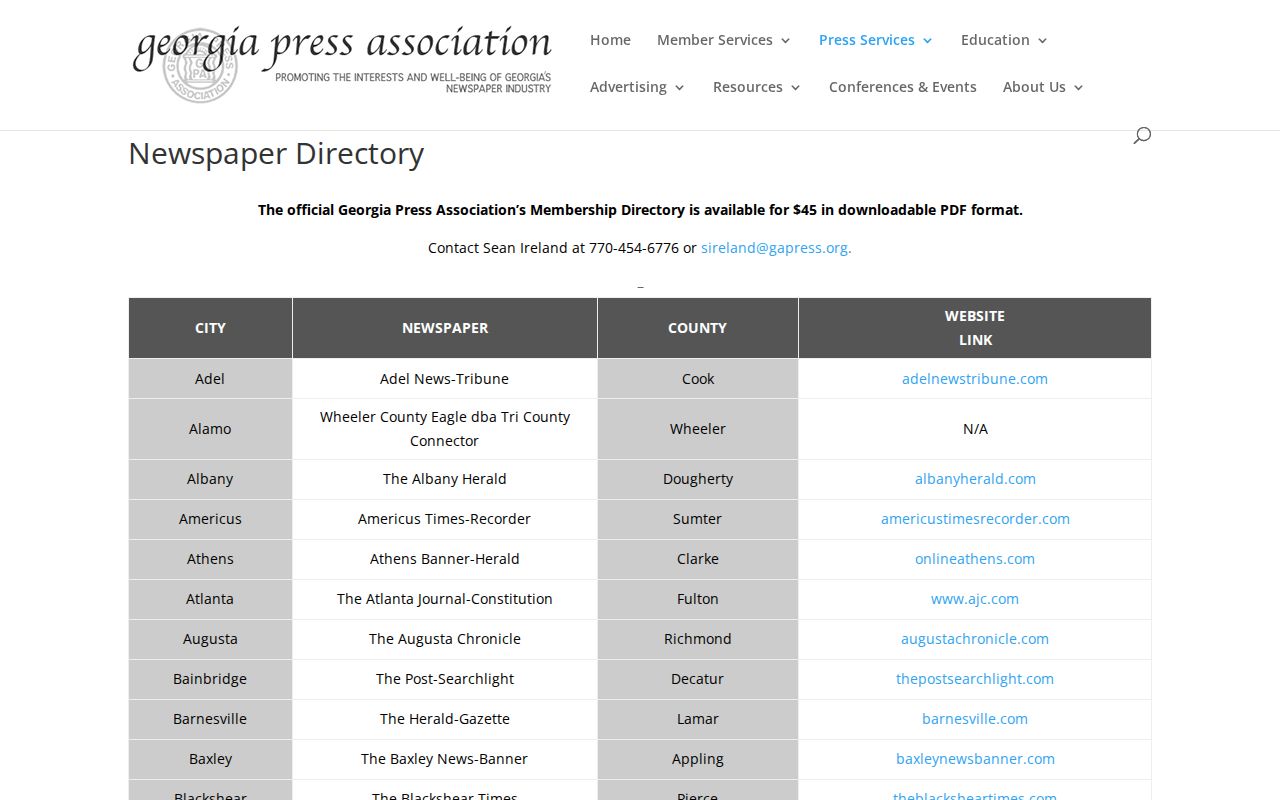
The directory lists the publishers. The digitized issue archive supplies the actual blotter dates and context.
Note: A weekly date range describes the newspaper's grouping and does not define current jail custody.
Greene Weekend Arrest Reporting
No official weekend or holiday posting rule exists. Don't assume a missing Sunday entry means no arrest happened. Don't assume a Monday post captures the whole weekend either. The weekly newspaper cycle builds in delay on its own. GCSO news can lag too, and it leans toward selected incidents. Read a weekend surge as a search tactic, not a statistic. Inspect the next issue, and check nearby date ranges. Ask the sheriff for the source record. If custody remains unclear, call 706-453-3351. If the person was released, don't trust the absence of a live name. Request the historical booking record instead.
Official and Unofficial Arrest Sources
Start with official sources. GCSO confirms its own custody information and releases records through the official Open Records form. Greene County courts hold the later case outcome. Newspaper archives preserve public reporting, but they replace neither office. The Georgia Gazette maintains a Greene County section. Its pagination runs deep. It may publish arrest and court material, including booking photos. It is a commercial publisher, not law enforcement, and access can require membership. Treat the publisher's Greene section as secondary landscape only.
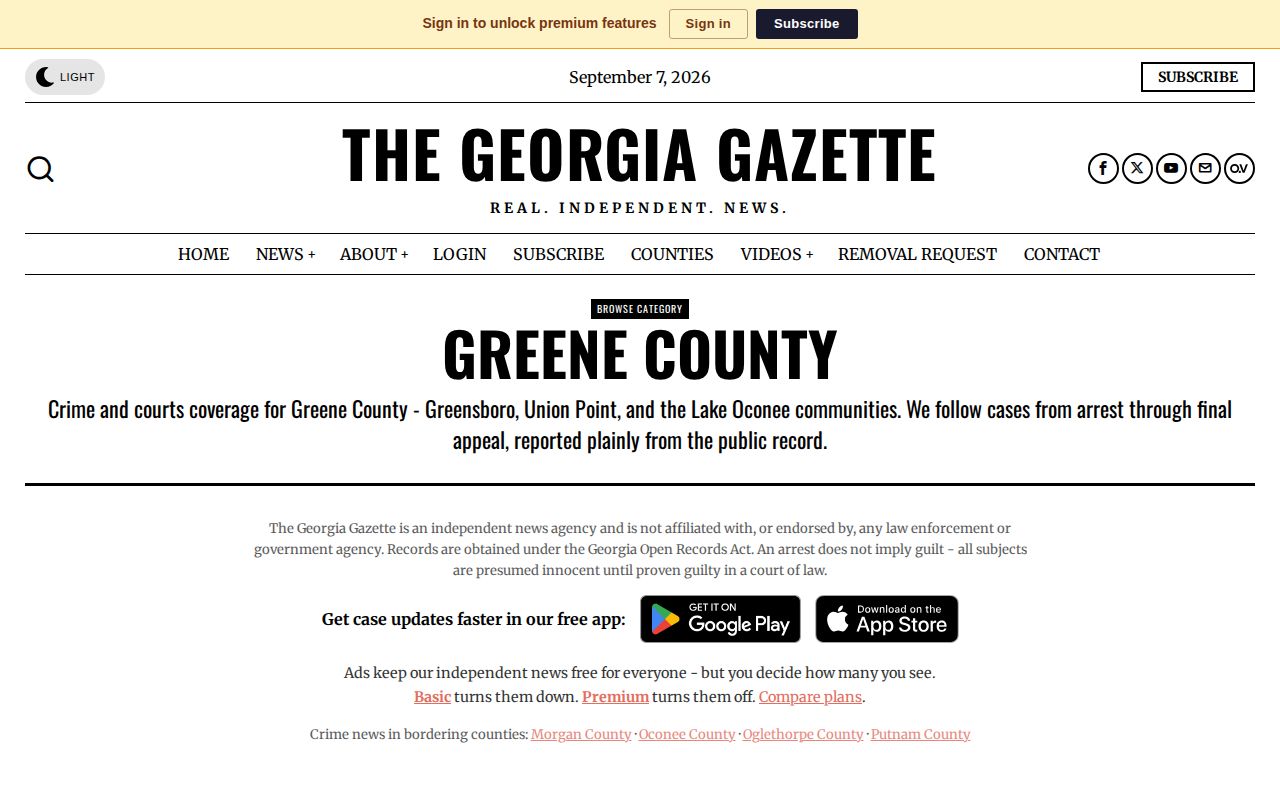
Treat any name from a commercial site as a lead, not a fact. Confirm it with GCSO or the court. The page itself is no live roster. Commercial coverage of Greene County runs thin. RecentlyBooked's Georgia county list omits Greene, Busted Newspaper carries no verified Greene section, and Arrests.org sits behind an access block. A Greene Mugshots.zone subdomain shows up in indexed results but loads only intermittently. Those gaps are exactly why local URLs should never be invented and coverage never overstated. A publisher can drop or shuffle a county section at any time, while the sheriff's arrest record stays where it always was.
Greene Arrest Record Archives
Retention and web visibility are not the same. Georgia's Archives public-safety schedule sets the clocks. Jail booking records last ten years after release, and jail registers last ten years after the final entry. Daily incarceration lists are kept just one year. These are management periods, nothing more. They promise nothing about online access.
Chasing an old Greene County arrest? Ask GCSO for the commitment date and record category. Then ask where the file sits now. It may remain with the sheriff, have been destroyed under an approved schedule, or moved to another custodian. The court disposition is a separate errand, so request it separately. Georgia Historic Newspapers is a newspaper repository, not the sheriff's archive, though it can hold a blotter that survives nowhere else.
Know what you are requesting. A booking record, a jail register, a daily incarceration list, an incident report, and a court record are different things, each with its own custodian, contents, and retention period. Give the full name, the approximate commitment date, and, when known, the arresting agency and incident location. Ask staff to name any withheld portion and the basis for redaction. For a court outcome, supply the case number when you have it, because a headline or blotter line may not match the final docket. The Georgia Archives local-government page explains the schedule framework governing these retention rules.
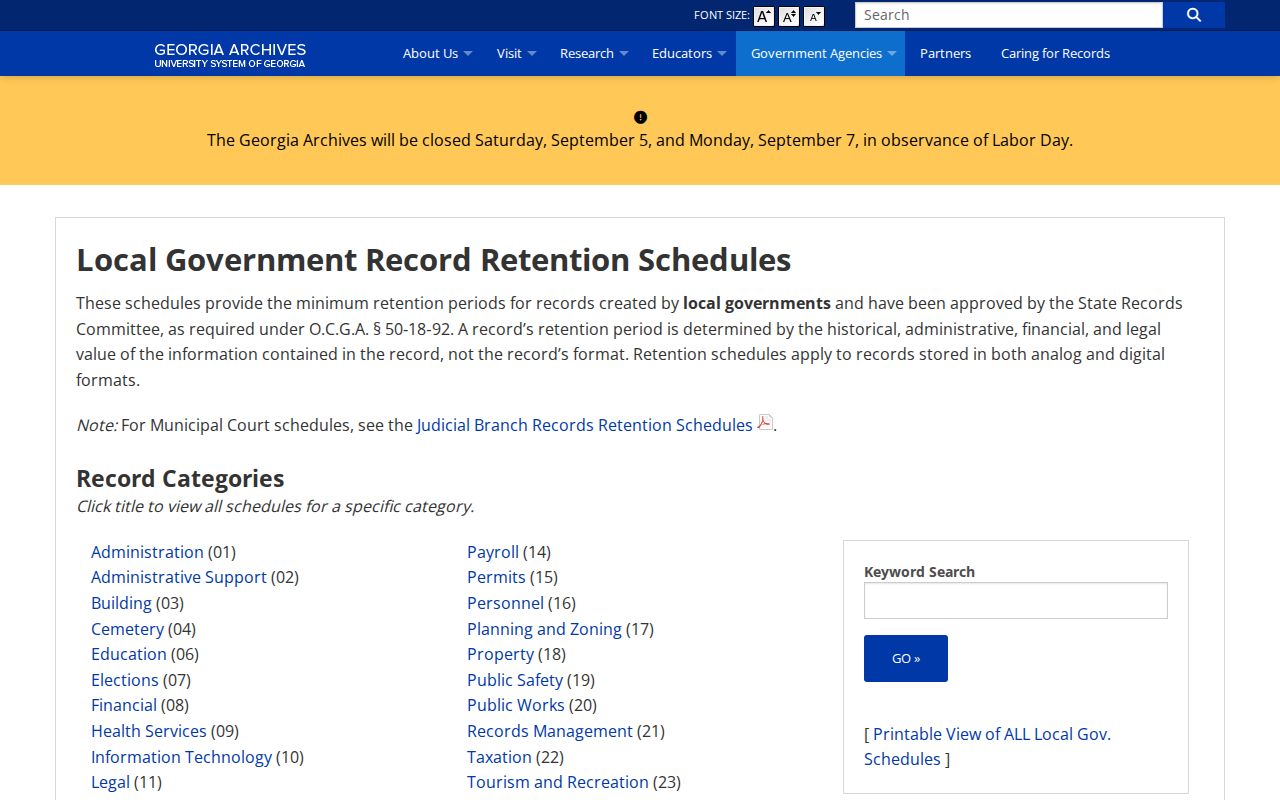
The schedule tells you what to ask for. Only the custodian holding a particular Greene County file can say whether that file still exists.
Greene Arrest Reports Need Context
A blotter freezes a case at its earliest stage. The charge printed there may shrink, vanish, or hold. It can be reduced, dismissed, nolle prossed, or resolved later by plea, acquittal, or conviction. Never rewrite published wording into a court result it never contained. Match names with care. Then check the final court file. Stale archive material deserves a date and a plain label saying what it is.